- Masood Azhar claims 1000 suicide bombers ready
Indian intelligence agencies suggest that Lashkar-e-Taiba (LeT) and Jaish-e-Mohammad (JeM) are regrouping Reeling from one of their biggest setbacks in years, Pakistan’s most powerful terror outfits -Lashkar-e-Taiba (LeT) and Jaish-e-Mohammad (JeM) are shifting gears. Intelligence agencies say 2026 will not be about immediate spectacular strikes, but about a calculated, multi-layered effort to rebuild, regroup and return stronger after the crushing impact of India’s Operation Sindoor.
Launched in retaliation to the Pahalgam terror attack, Operation Sindoor exposed the operational weaknesses of both LeT and JeM. Key infrastructure was destroyed, senior cadres were neutralised, and their aura of invincibility took a severe hit. Losses suffered during the operation and the public exposure of their vulnerabilities have made it risky for these groups to attempt large-scale attacks in the near term.
Instead, their strategy for the coming year is focused on rebuilding in phases. The first step is psychological and political, regaining relevance and public sympathy. Both groups are planning a series of massive rallies across Pakistan and Pakistan-occupied Kashmir (PoK). These events are designed to project strength, revive anti-India sentiment and portray the terror outfits as defenders against India.
Officials say the timing of these rallies is deliberate. With anti-India rhetoric at a peak in Pakistan’s domestic discourse, the groups hope to tap into public anger and convert it into fresh recruits.
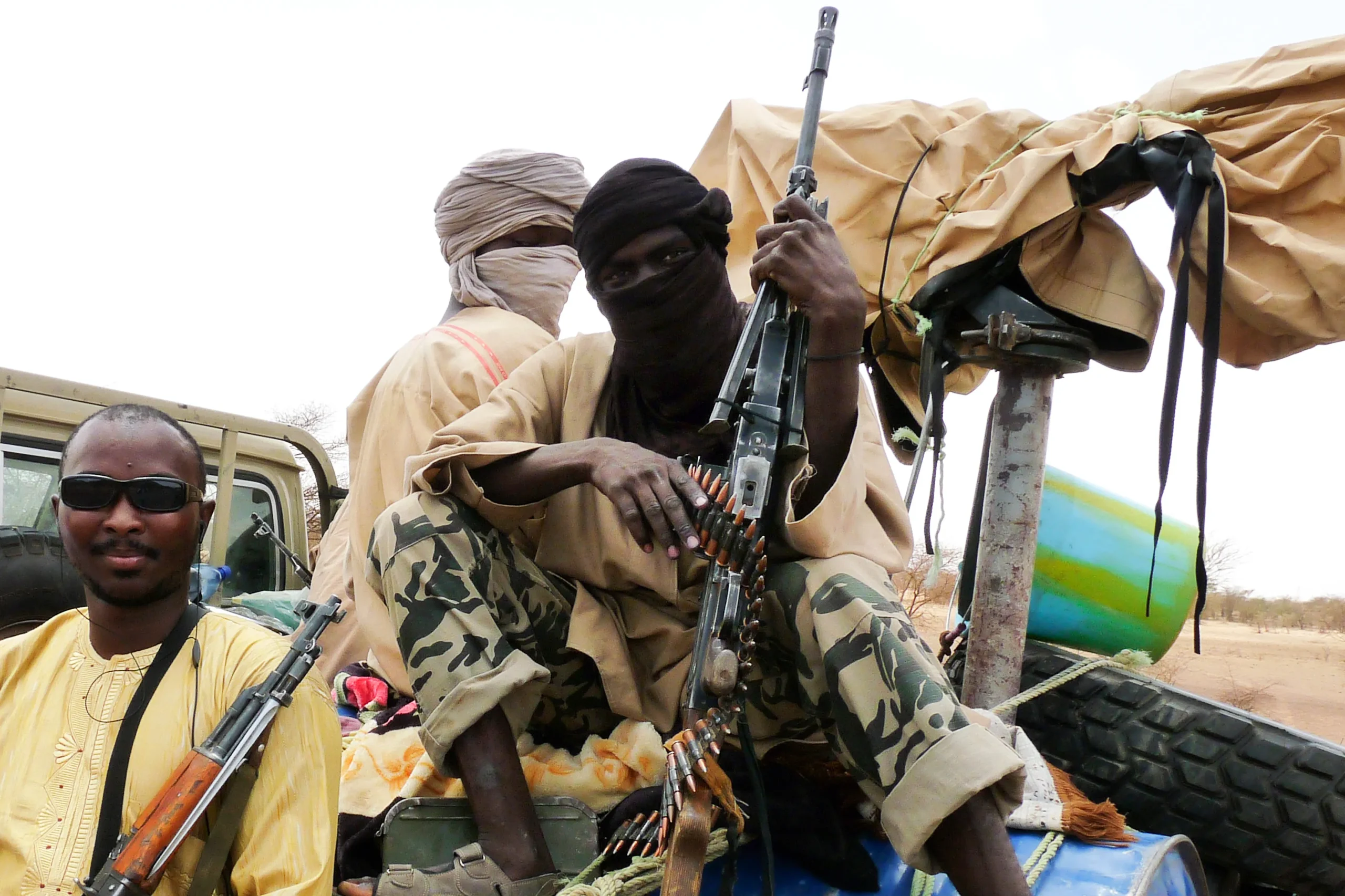
It is pertinent to mention here that JeM chief Masood Azhar claimed in a new audio message that the group has thousands of fighters, all supposedly on standby and ready for action.
In this recording, Azhar says his militants don’t care about money or comfort or status. He insists that they just want to die for their cause. Azhar did not give any numbers, but he hints that if the world knew how many militants JeM really had, it would cause a media frenzy.
Once this mobilisation phase is complete, the second stage will focus on hardcore training. Camps are planned in Balakot, Bahawalpur and Muridke, locations that were earlier struck by Indian forces. Choosing these sites is symbolic. It is meant to send a message both to India and to new recruits that the groups remain defiant and unafraid despite past losses.
This rebuilding effort will also be accompanied by what officials describe as high-visibility drills, propaganda videos and staged shows of strength. The objective is clear: to reclaim the fear and respect lost after India destroyed JeM’s headquarters in Bahawalpur and LeT’s primary training facility in Muridke.
A significant and worrying shift in this revival plan is the renewed emphasis on all-women units. Both LeT and JeM are expanding their women wings, training them in radicalisation, recruitment and propaganda. Intelligence agencies warn that a select group of women may also be trained for suicide missions, with Jammu and Kashmir identified as a key area of operation. Parallelly, an all-women network of overground workers is being developed in the Valley to support logistics and intelligence gathering.
Beyond physical mobilisation, the digital battlefield will play a central role in 2026. Intelligence inputs point to a massive online propaganda drive, backed by sophisticated use of Artificial Intelligence. Videos and messaging will be produced in multiple Indian languages, allowing content to be both wide-reaching and locally tailored, making radicalisation harder to detect and counter.
Officials say the programme is being executed jointly by LeT and JeM, with Pakistan’s ISI playing an active role in ensuring coordination and support. While immediate large-scale attacks may be unlikely, intelligence agencies caution that the long-term threat is growing.